
Home / Patrols
Visible. Trained. Accountable.
How our volunteers patrol, how an SOS reaches them, and the rules every patroller signs.
From SOS to the door
What happens when someone presses SOS
Alert and location
The incident gets a number (MP-2026-…) and is posted to the patrol WhatsApp group with the resident's name, address and map link. Never their phone number.
Nearest responder on duty
The system picks the closest patroller whose location is fresh, sounds an alarm in their app and phones them. Answering is not enough: they must press Accept (or 1 on the call).
Escalation
No accept in 45 seconds? The next responder is called, then the patrol manager, and the whole list again until someone takes it.
On the way, on scene, closed
The responder updates the status; the resident and the group see each step. Crimes are handed to SAPS.
Patrol shifts
On patrol
- Patrollers book shifts in the control room and switch on duty in the responder app, which shares their location only while on duty.
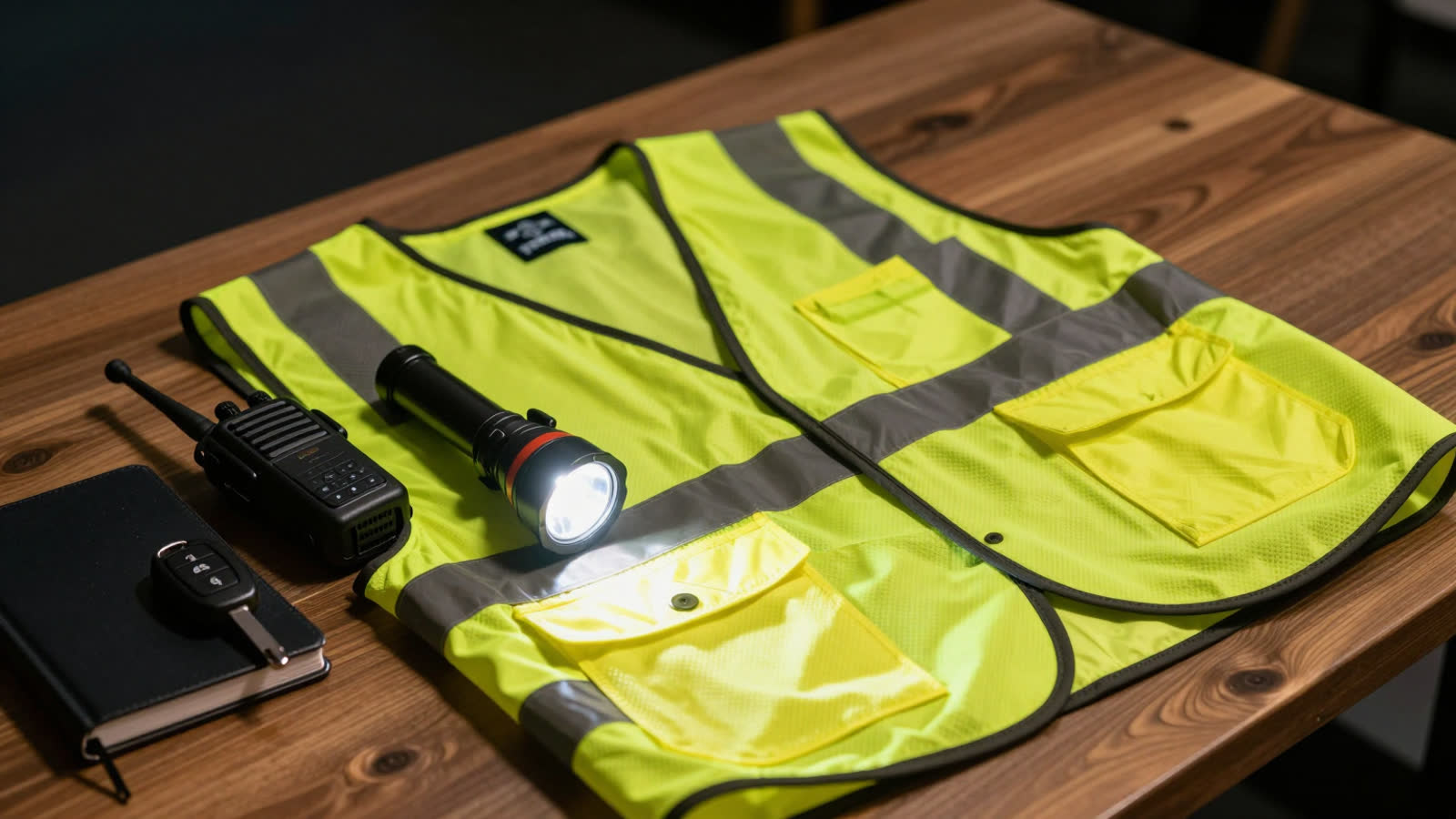
- Patrols run in pairs, in a marked vehicle or on foot, with a reflective vest, torch and the app.
- Every shift is logged; every SOS has a full timeline for accountability.
- The patrol manager oversees the roster and is the escalation point for any SOS nobody accepts.
Code of conduct
Every patroller agrees to:
- Observe, record, report. Our job is to be seen, to watch and to call it in. We do not chase, search or interrogate anyone.
- Stay within the law. Patrollers have the same powers as any citizen. A citizen's arrest (Criminal Procedure Act, section 42) is a last resort, only for a serious offence committed in front of you, and the person is handed to SAPS at once.
- No weapons on patrol unless lawfully licensed and approved by the committee; never drawn except in lawful self-defence.
- Treat everyone with respect. No profiling by race, religion, nationality or appearance. No abusive language, no force beyond what the law allows.
- Protect privacy. No photos or names of suspects, victims or residents on social media or WhatsApp groups outside the patrol. Personal information is handled under POPIA.
- Be fit for duty. No alcohol or drugs before or on patrol. Drive within the speed limit with lights on.
- Safety first. Never enter a property or confront an armed person. Wait for SAPS.
- Wear the vest and carry the app, switched on duty, for the whole shift.
A breach of the code can lead to suspension from patrols by the committee.
Training for new patrollers
- Introduction and vetting (ID and a short interview with the patrol manager).
- Code of conduct and the law: what citizens may and may not do.
- Using the responder app: going on duty, accepting an SOS, navigation, status updates.
- Observation and reporting: descriptions, registrations, times.
- First patrol alongside an experienced patroller.
Training dates are on the events page.